
Meridian Acupuncture & Herbs
Now in West L.A.!
"Visit Today and Experience the Differences!"
Meridian Acupuncture & Herbs provides high-quality Acupuncture and Oriental medicine treatments at affordable prices and in a timely manner, helping patients achieve the best possible health.
We are to be recognized by the community through the holistic practice of Acupuncture and Oriental medicine to provide quick treatment results, restore optimal body balance, and create a friendly atmosphere in which patients can take care of a healthy life.
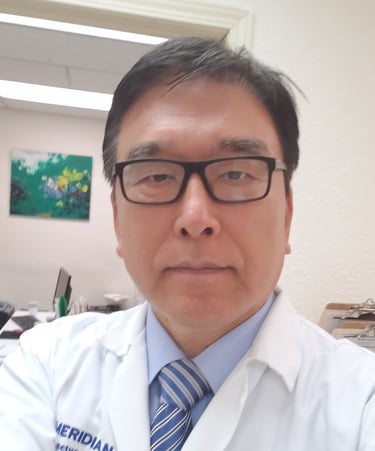
Dr. Simon Song, senior practitioner, obtained a master's in traditional Oriental medicine from DULA, Los Angeles, and completed his doctoral studies at the Pacific College of Health & Science, San Diego. With over 25 years of clinical experience in the South Bay and San Bernardino areas, Dr. Song has helped thousands of patients using natural healing methods. He is also a published author and experienced teacher in Traditional Korean and Chinese Medicine. Now welcoming patients in West LA, Dr. Song offers personalized care through acupuncture and herbal medicine and body-type diagnosis based on years of practice and deep knowledge. He has also been participating as a peer reviewer for the Journal of Korean Traditional Medicine.
Dr. Song is amazing! I came to see him with an incredible amount of muscle pain/tension in my neck- I could barely move it and was in near tears. I had previously tried massage therapy, pain meds, and nothing had worked. After just one visit with Dr. Song, I felt significantly better. After two visits, the pain was gone!
Sky L.- Redondo Beach
My boyfriend has been coming to Dr. Song for years. So, when I injured my knee, I wasted no time and made an appointment. In one visit, he reduced my pain and inflammation by half! In total, I saw him 3 times in a week, and I'm feeling great. I no longer need to rely on a knee brace, and I can move without pain.
Tonya L. T. – Hermosa Beach
I've been suffering with a herniated disc on both sides of my neck that has caused me severe pain not only in my neck, but after so many years of not being with the right massage therapists, doctors, and acupuncturists, I was also suffering from chronic pain in my deltoids, rhomboids, lower back, hips, and numb hands and fingertips. In 12 years of dealing with severe pain and a lack of quality rest and sleep, I've tried numerous practitioners, and none have helped in the way Dr. Song has. Within my first treatment, I felt about 20 percent better. Not all therapists, doctors, and practitioners care and are good at what they do, and it's so imperative to find the best ones when it comes to treating chronic muscular, joint, and nerve pain. Now I finally found a doctor who cares. Dr. Song is a true expert. I haven't felt this type of relief in years. Today I came in for my 4th treatment, and I can move my neck and hips, and my numbness in my hands and fingers is almost completely gone. I cannot express enough how knowledgeable, professional, caring, and gifted Dr. Song is. He's thorough and exceptional. I wish I had found him sooner.
Anayah W. – Los Angeles
While looking for an acupuncturist closer to the South Bay, I was never satisfied until I came across Dr Song. He is a true healer and very kind. Many acupuncturists will only treat one part of the body, but Dr. Song always provides full-body treatment for the same price. I’m also especially impressed by how quickly he heals joint injuries.
David N. - Redondo Beach
Dr. Song at Meridian is the best in the world! I have lived in different states, and have had many acupuncturists. No other acupuncturist compares to this wonderful man. He has 25 years of experience, and his expertise is unbelievable. I first met him when I was totally laid up with a swollen knee and could not even walk to my door. In only two treatments, he had me walking. He saved my life! I am 35 miles from his office, but I would go many more miles for Dr. Song's acupuncture treatments. There is no comparison with the others. He also cares about his patients as if they were family. I am so lucky that God brought him into my life.
Lori J. - Long Beach
I have been seeing Dr. Song for over 2 years in his office in downtown San Bernardino. I am 74 years old and have many challenges with balance, hip, and lower back pain. Dr. Song talked with me about the problems before he started any treatment. He did this before every appointment. He was very efficient in everything he did for me. I always felt relief from my pains after each treatment. I always felt respected and listened to whenever I saw Dr. Song. I was sad when he told me he was moving back to Los Angeles. I wish him well and hope his patients appreciate what a dedicated and capable acupuncture doctor they have.
Charlie B. - Riverside
Testimonials
Home visits are available by appointment for patients with limited mobility:
If you or your loved one has difficulty visiting the clinic in person, we offer home visits upon request. Please call to schedule an appointment in advance.